
Wisdom teeth removal questions, answered
The cost, the day, the recovery, the cover and the tax relief.
Free to send, no obligation. One registered dentist rings you, not five.
- €150–€270simple, per tooth
- €250–€420surgical, per tooth
- Up to 2 weeksto fully recover
- 20%tax relief, if impacted
Check what your removal involves
Four quick taps. You see the likely type of removal, the likely cost, the tax relief and your recovery time. Your number is only asked for at the end, if you want an assessment.
Say one lower wisdom tooth is stuck under the gum: that's usually a surgical removal, typically €250 to €420 at Irish practices, plus €50 to €83 for the x-ray, with 20% tax relief back.
How this is worked out
The likely type of removal comes from what you tell us: a tooth that's stuck under the gum, or partly through in the lower jaw, usually needs a small cut in the gum; one that's through and easy to reach usually comes out whole. The prices are the range Irish dental practices publish for a wisdom tooth, per tooth, plus a panoramic x-ray and, if you pick it, IV sedation. Tax relief is 20% of the removal when it's a surgical extraction of an impacted wisdom tooth. The recovery times are the HSE's. It's a guide to plan with, never a diagnosis or a quote: the dentist decides after an examination and an x-ray.
How it's done
Whether the tooth is through decides the type. How you'd like it done decides the anaesthetic.
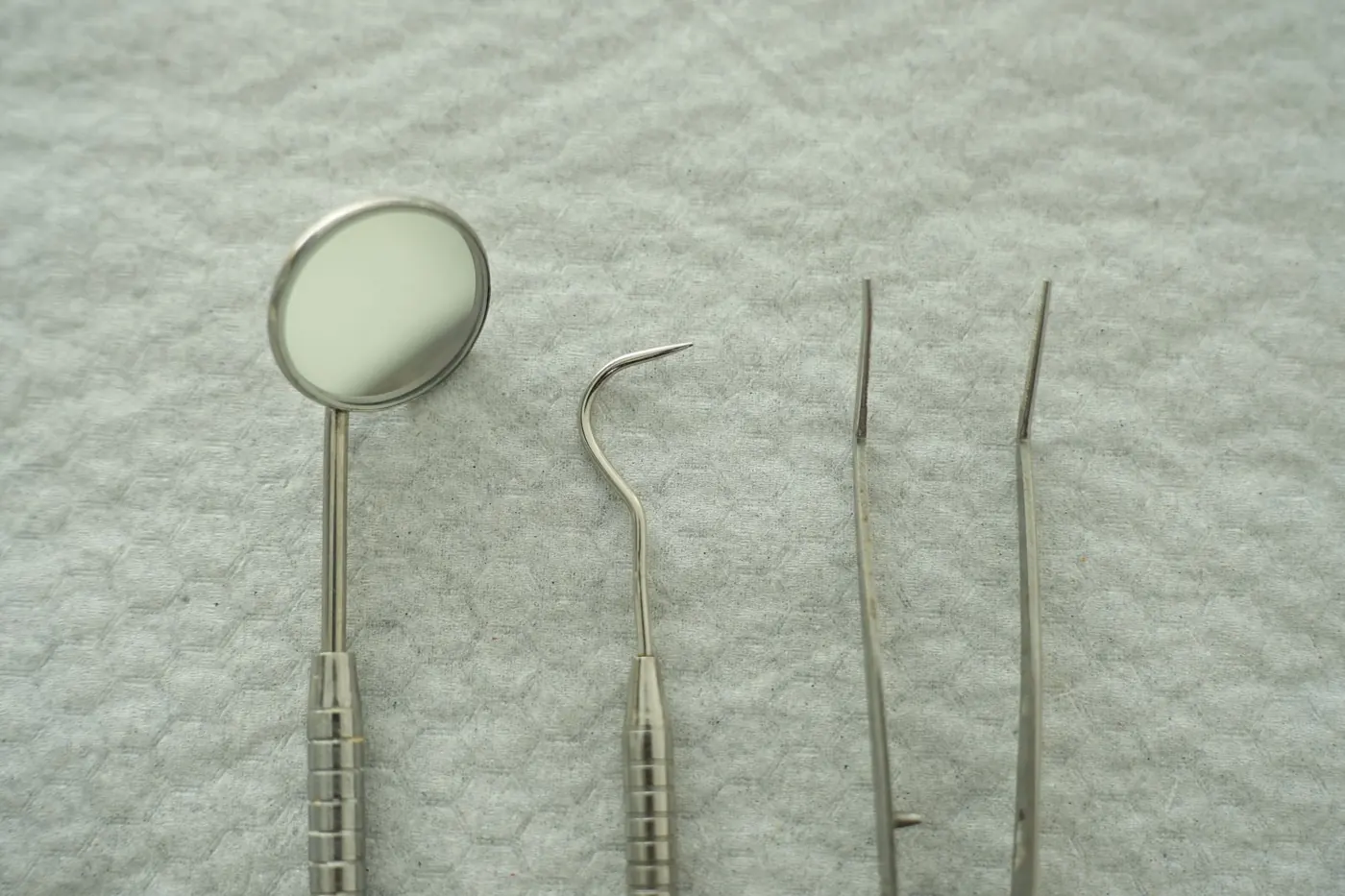 Simple extractionA tooth that's through comes out whole. €150 to €270 a tooth at Irish practices.
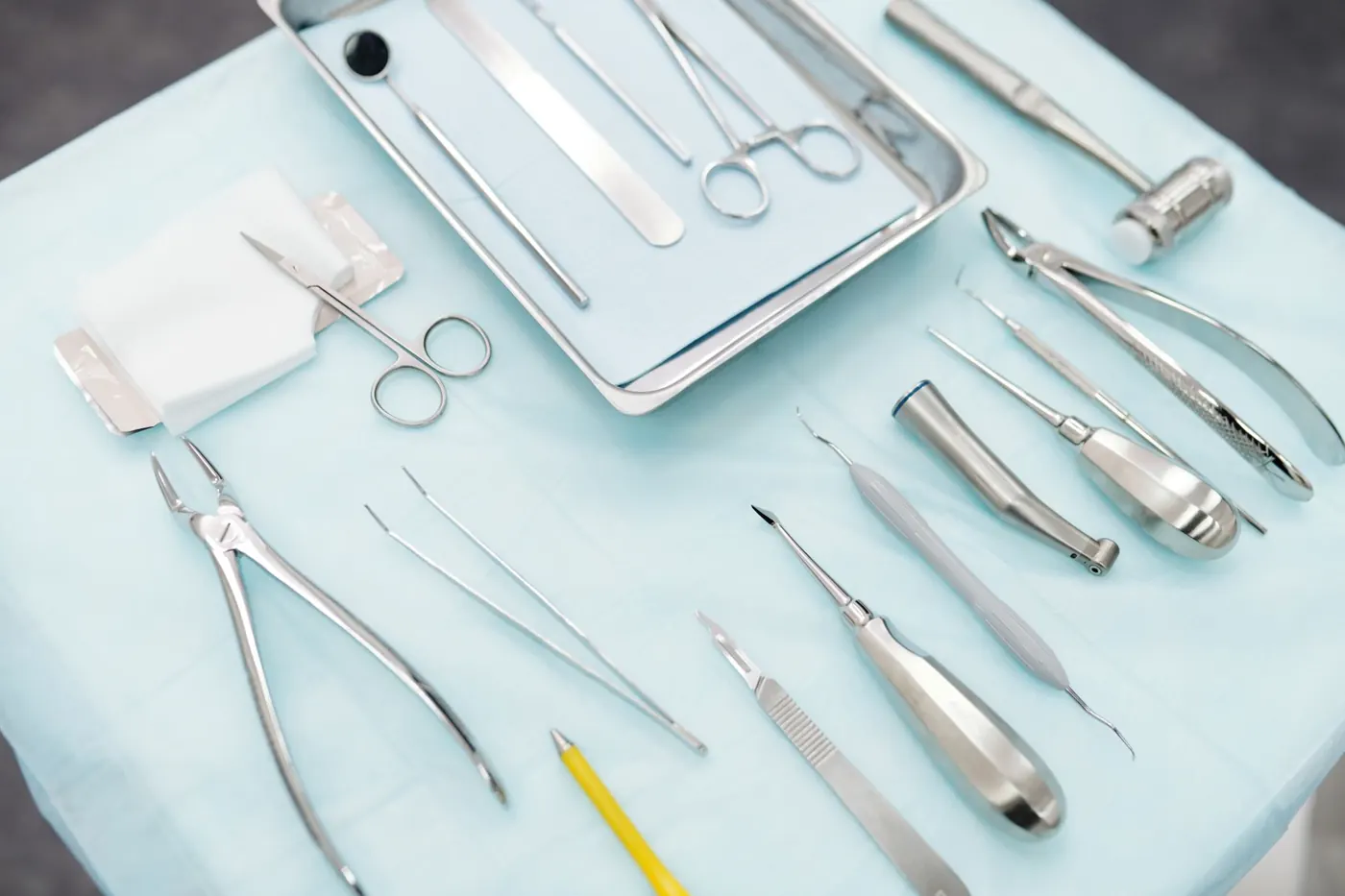 Surgical removalA small cut in the gum, sometimes the tooth in pieces. €250 to €420 a tooth.
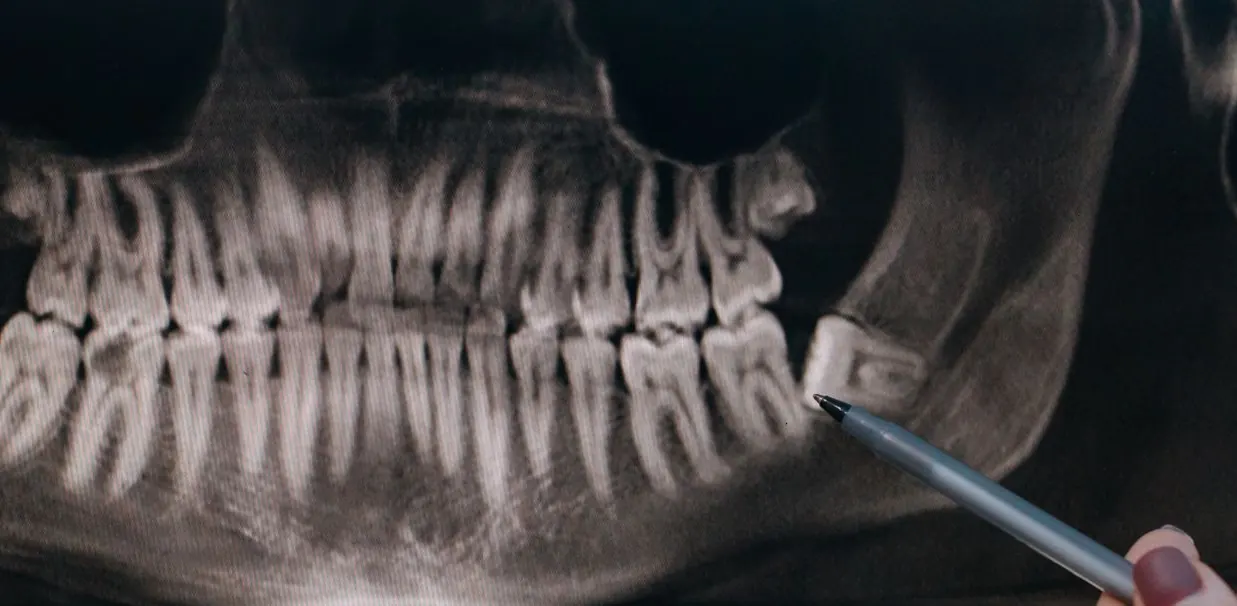 Impacted wisdom teethStuck under the gum without room to come through, and the one removal that gets tax relief.
 IV sedationAwake but drowsy and relaxed. €200 to €500 on top, and no driving for 24 hours.
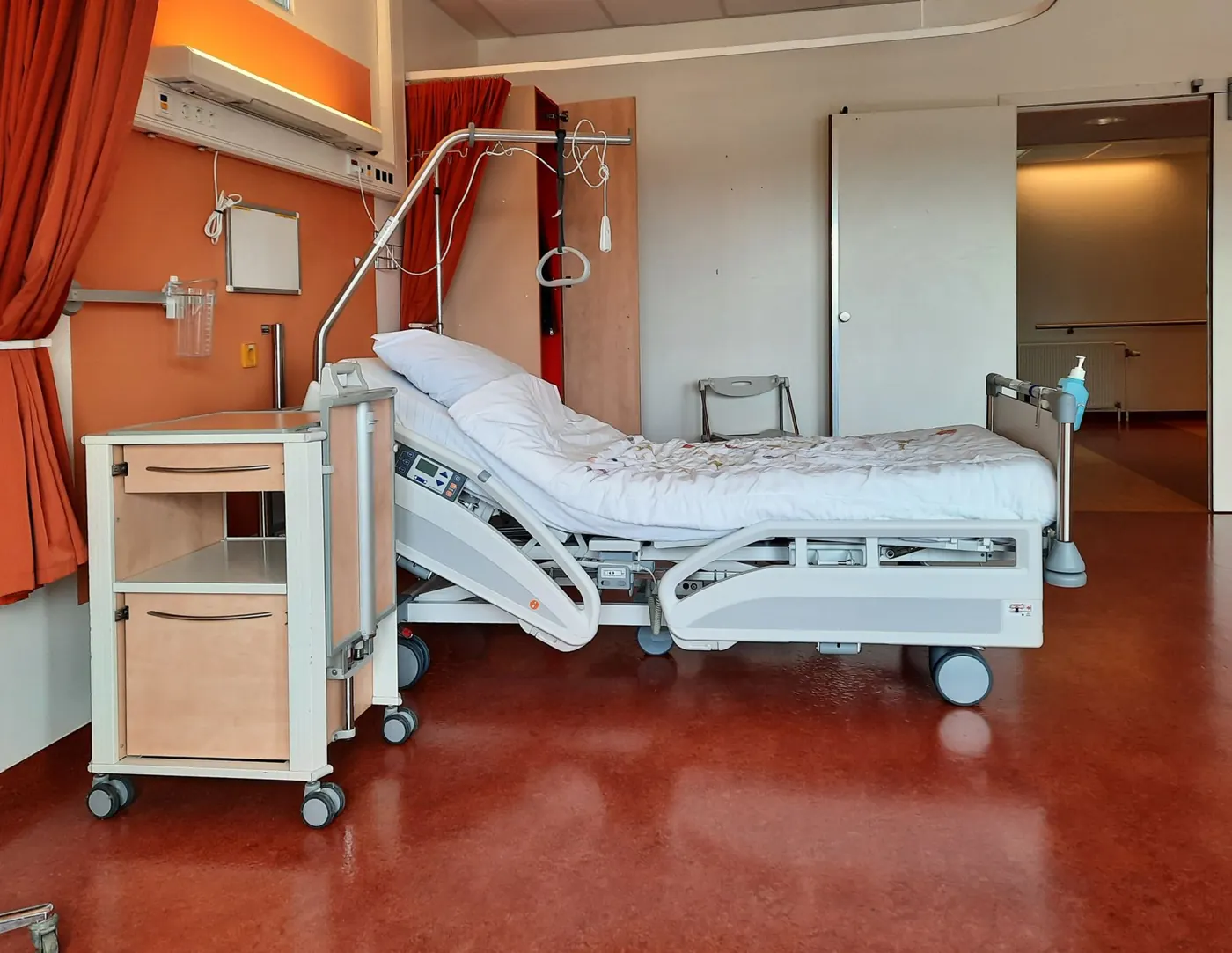 General anaestheticAsleep, in hospital, usually home the same day. No driving for 48 hours.
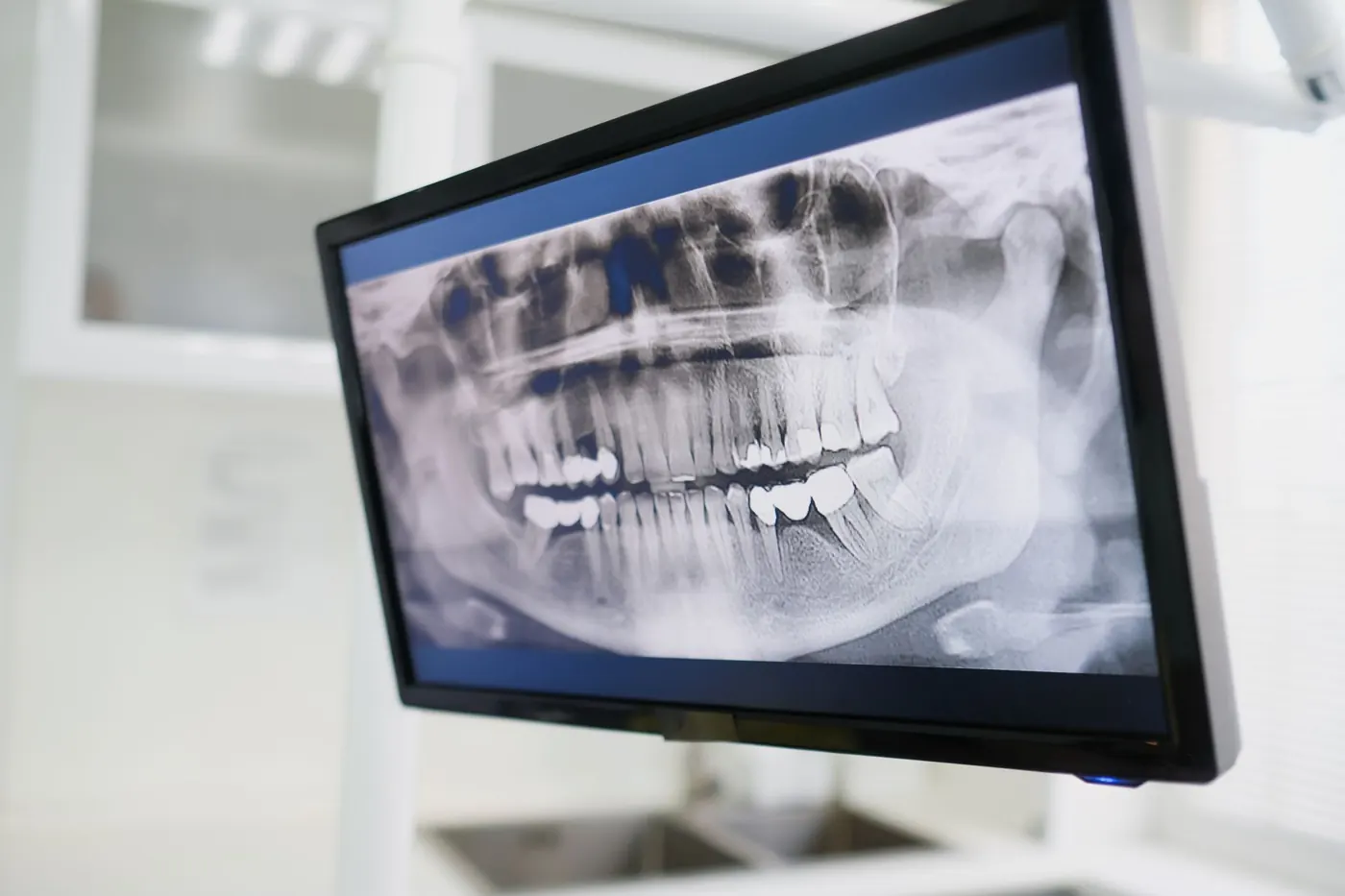 All four at onceOne visit or two, and what four teeth cost: €1,000 to €1,680 for surgical removals.
Every question
How much does wisdom teeth removal cost in Ireland?
Irish dental practices publish €150 to €270 a tooth for a simple wisdom tooth extraction and €250 to €420 for a surgical removal. A panoramic x-ray adds €50 to €83, and IV sedation €200 to €500. A general anaesthetic is done in hospital and priced at a consultation. A surgical extraction of an impacted wisdom tooth gets 20% tax relief, and medical card holders are covered for extractions at a dentist in the scheme.
Does it hurt?
The removal itself is numbed: you'll usually have a local anaesthetic injection around the tooth, or a sedative or general anaesthetic if that's the plan. Afterwards there's some pain and swelling, worse after a surgical removal. Use the painkillers your dentist recommends.
How long does it take?
The removal itself takes from a few minutes to 20 minutes or longer.
How long is the recovery?
It can take up to 2 weeks to fully recover. Swelling and bruising can last 7 to 10 days, and your dentist may suggest 1 to 2 days off work. Eat soft food for a few days, and don't rinse, spit or have hot drinks for the first 24 hours.
What can I eat afterwards?
Soft or liquid food for a few days, chewing on the other side. Nothing hot for the first 24 hours, and no alcohol.
What is dry socket?
Dry socket is when the blood clot doesn't form in the socket, or comes away. It can happen 3 to 5 days after the removal: an intense, throbbing ache in the gum or jaw, a bad smell or taste, and sometimes bone you can see. Go back to your dentist: they clean the socket and put in a medicated dressing.
How much time off will I need?
Your dentist may suggest 1 to 2 days off work. No sport or high-effort exercise for a few days.
When can I drive?
Straight after a local anaesthetic, 24 hours after sedation, 48 hours after a general anaesthetic.
Will I be asleep?
Usually not: most removals are done with a local anaesthetic. A sedative helps you relax, and a general anaesthetic, in hospital, means you're asleep.
Is it covered by the medical card?
With a medical card (aged 16 and over), extractions are covered at a dentist in the HSE scheme. More complex care needs the approval of the HSE's local Principal Dental Surgeon first, so ask the dentist what's covered for your removal before you book.
Does PRSI cover it?
PRSI Treatment Benefit doesn't pay for extractions. It pays for a free oral exam once a year and towards a scale and polish, so you can use the free exam to have the tooth looked at, then pay for the removal privately.
Can I claim tax relief?
Only a surgical extraction of an impacted wisdom tooth gets tax relief: 20% of the cost. A routine extraction gets none. Your dentist fills in a Med 2 form, you keep it, and you claim under the Non-Routine heading of your health expenses.
Do wisdom teeth always need to come out?
No. Many problems are treated first with antiseptic mouthwash and antibiotics, and removal comes in if they don't work.
How do I check a dentist is registered?
The Dental Council keeps the register of dentists, and a register of specialists in oral surgery. Search it on the Dental Council's site.
What happens after I send the Removal check?
One Dental Council registered dentist or oral surgeon who covers your county gets your answers and rings you to arrange an assessment. Nothing is agreed until you've seen them.

Check what your removal involves
Four taps to the likely type, cost and recovery, then one Dental Council registered dentist or oral surgeon who covers your county rings you.